
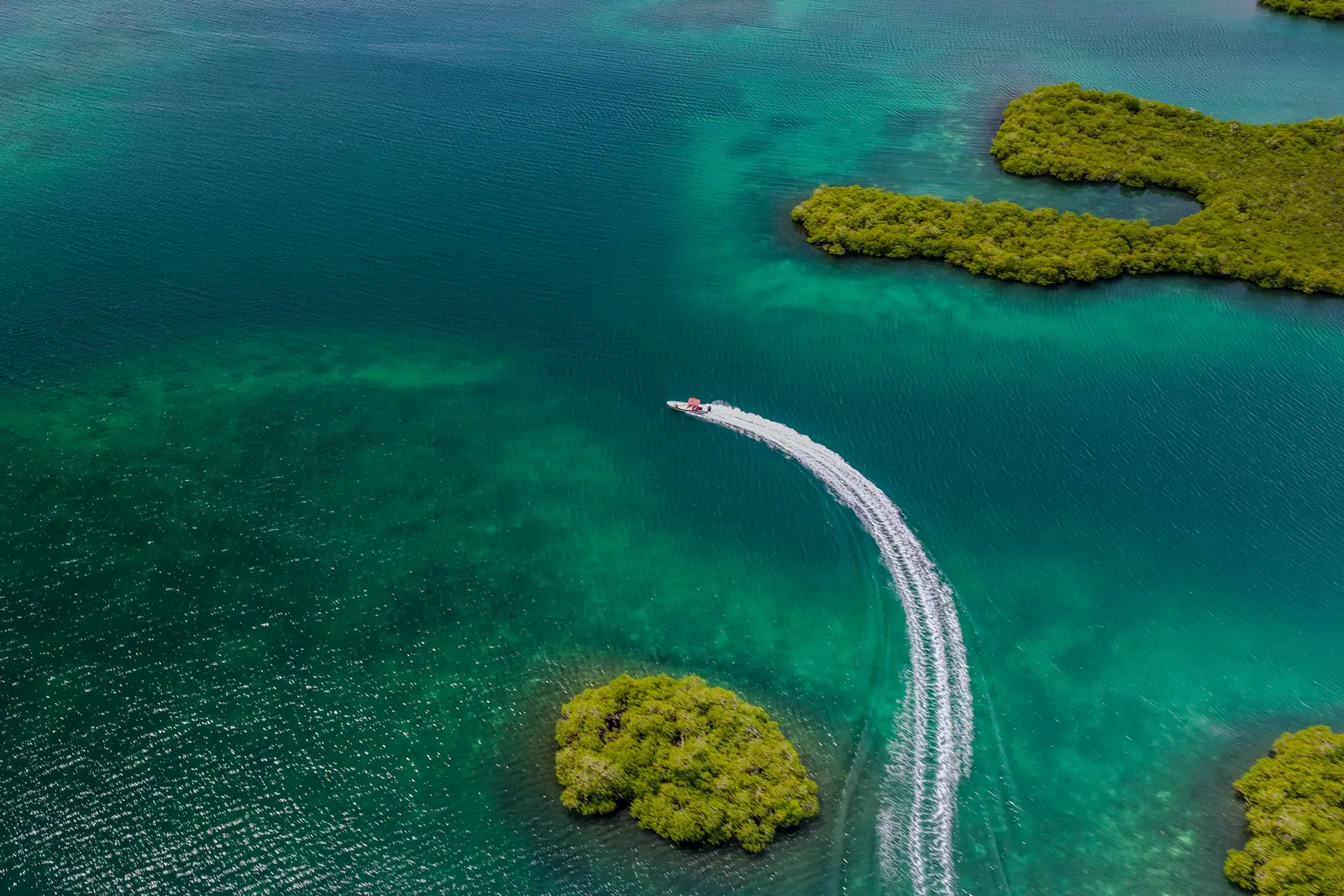
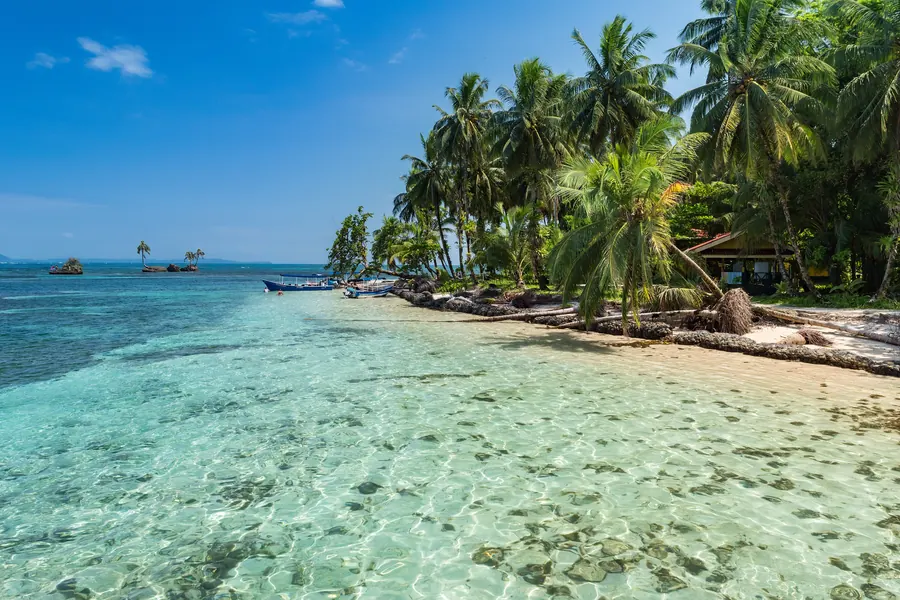
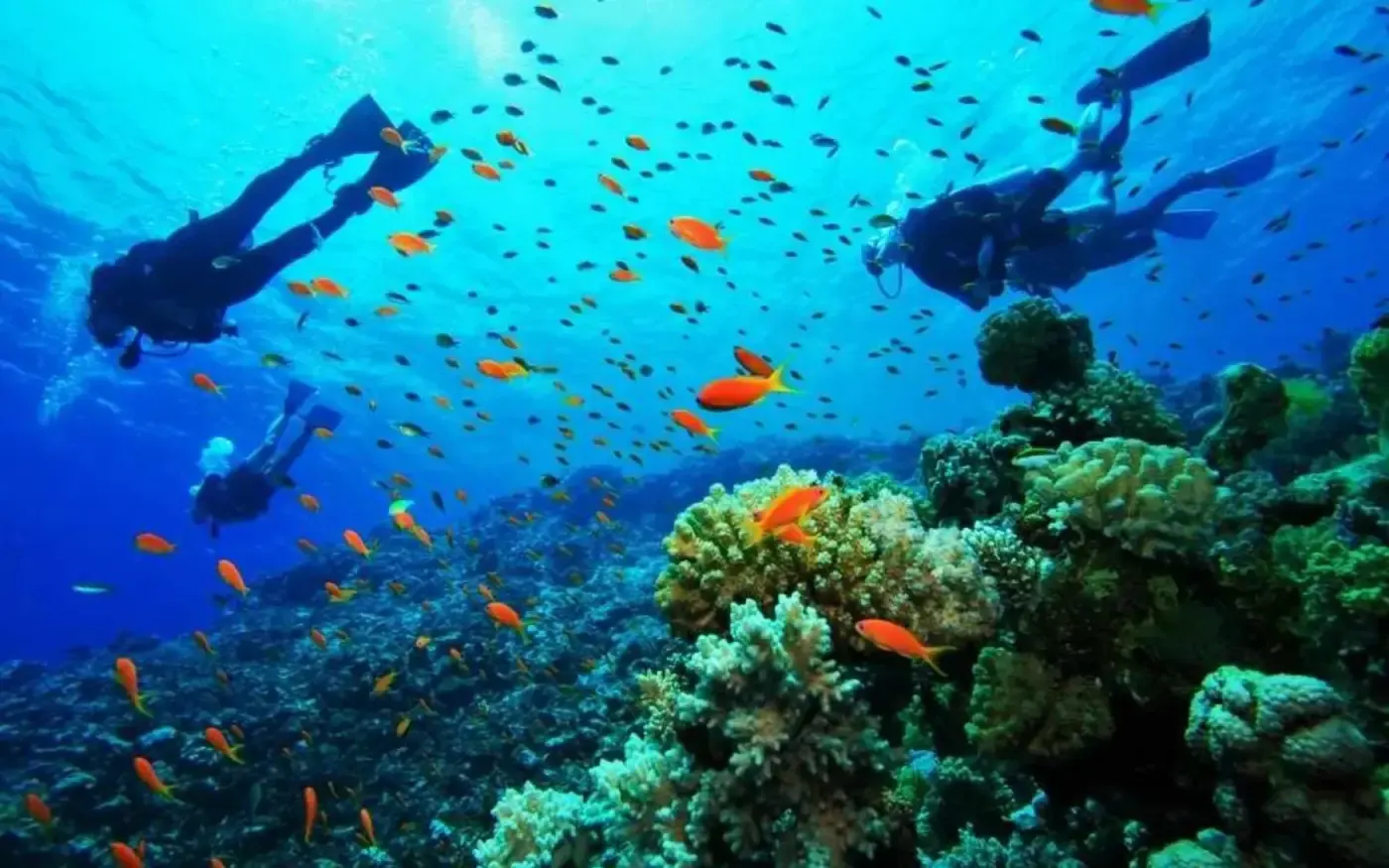
If you have ever wanted to float face down over a reef and watch a parrotfish nibble on coral, Bocas del Toro is a wonderful place to do it. The water is warm all year, the reefs sit a short boat ride from almost everywhere, and a lot of the best snorkeling is shallow enough that kids and first-timers can join in. Here is where we send our own guests, what you can expect to see, and how to do it so the reef is still there for the next family that comes along.
Where the reefs are
Bocas del Toro is a cluster of rainforest islands in the Caribbean, and coral grows around the edges of nearly all of them. Most snorkel days are a boat trip that strings two or three spots together, with lunch somewhere in the middle and a swim at a beach on the way home. The three names you will hear over and over are Hospital Point, Cayo Coral and Cayo Zapatilla, and each one has its own personality, so it is worth knowing which is which before you head out.
Hospital Point (Punta Hospital)
Hospital Point is the rocky tip at the northwest end of Isla Solarte, the same island our little island sits beside, so it is a short ride from our dock. The name comes from a hospital that once stood here for the United Fruit Company's banana workers. On the east side, the reef runs from a shallow ledge down to around 10 meters (about 30 feet), covered in sea fans and sponges, and floating along that edge gives you the wonderful feeling of hanging over deep blue water. The west side is shallower, with a reef flat that wraps around the point, and the water there is often clearer.
Look for schools of surgeonfish moving together like a cloud, parrotfish in every color you can think of, snappers waiting in the shade of the coral and tiny yellowtail damselfish darting in and out. Boats pass close by on their way between the islands, so stay near your captain and the boat, and let them pick the side with the calmer water that day.
Cayo Coral
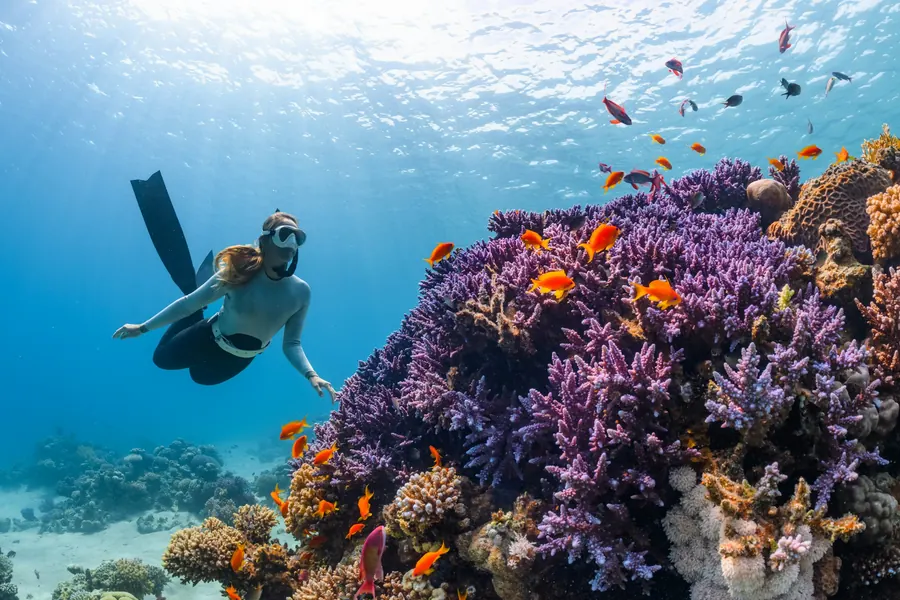
Cayo Coral, which you will also see written as Coral Cay or Coral Key, is the most visited snorkel spot in the archipelago, and it earns it. It sits about 20 minutes by boat from Bocas Town in sheltered water, and the reef stays at a fairly even 3 to 4 meters, which makes it relaxing for people who are still getting comfortable with a mask. The coral heads in the middle are wrapped in turquoise, gold and red sponges, and farther out the sea fans sway back and forth like a little underwater forest.
Sergeant majors, grunts and wrasse are everywhere, and if you are lucky an angelfish drifts past to say hello. There is a restaurant built out over the water nearby where a lot of boats stop for lunch, which makes Cayo Coral an easy middle stop on a long day. It can get busy when the tour boats arrive, and an early start usually means you share the reef with fewer people.
Cayo Zapatilla
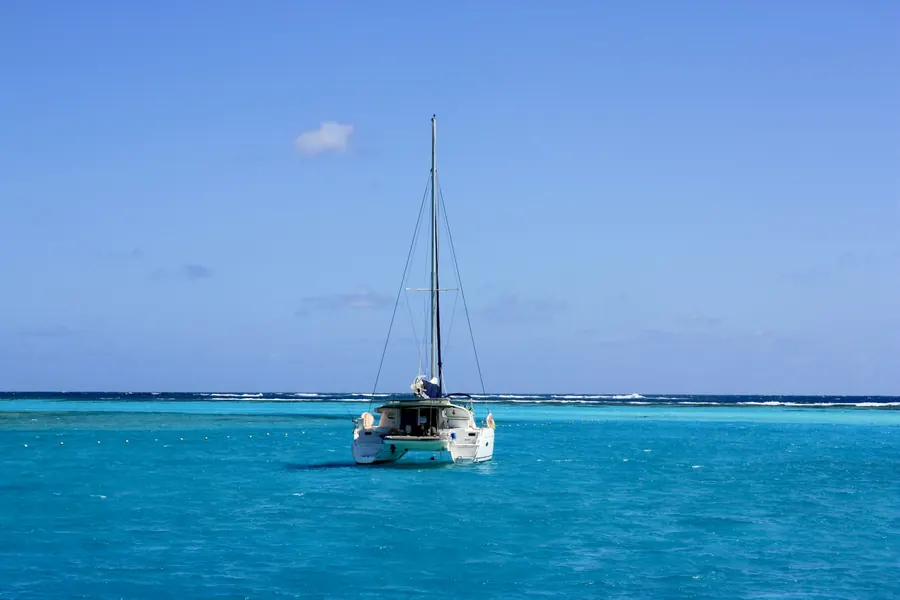
The Zapatilla cays are two small white-sand islands inside the Isla Bastimentos National Marine Park, Panama's first marine park, and from our dock they are a 15 to 20 minute boat ride depending on the weather. Most people come for the beach, and the snorkeling is a lovely bonus. Close to shore there is seagrass where flounder hide in plain sight, farther out there are scattered coral heads, and sergeant majors and damselfish gather around the rocks.
The cays face the open sea, so the water can have more waves and current than the sheltered reefs, and the park rangers or your captain will tell you the best place to get in that day. There is a park entrance fee per person, and the ranger station has toilets and showers. There is no food on the island, so bring a cooler and plan to stay as long as the light lets you.
Easy spots for beginners and kids
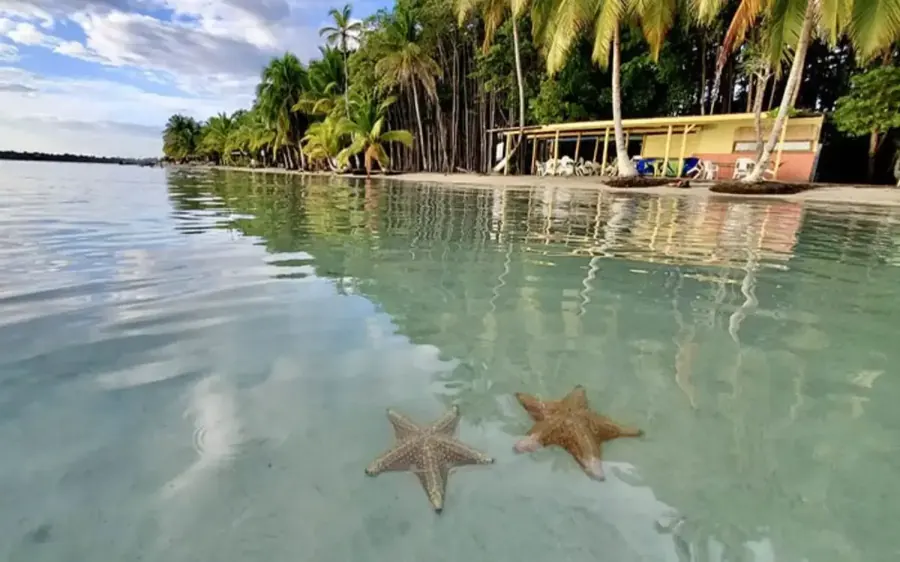
If someone in your group is new to snorkeling, start somewhere they can stand up. Playa Estrella, on the north side of Isla Colón, is shallow and clear, and the starfish resting on the sand give a nervous swimmer a great reason to put their face in the water. Polo Beach, on Isla Bastimentos, sits behind a barrier reef that keeps the water calm.
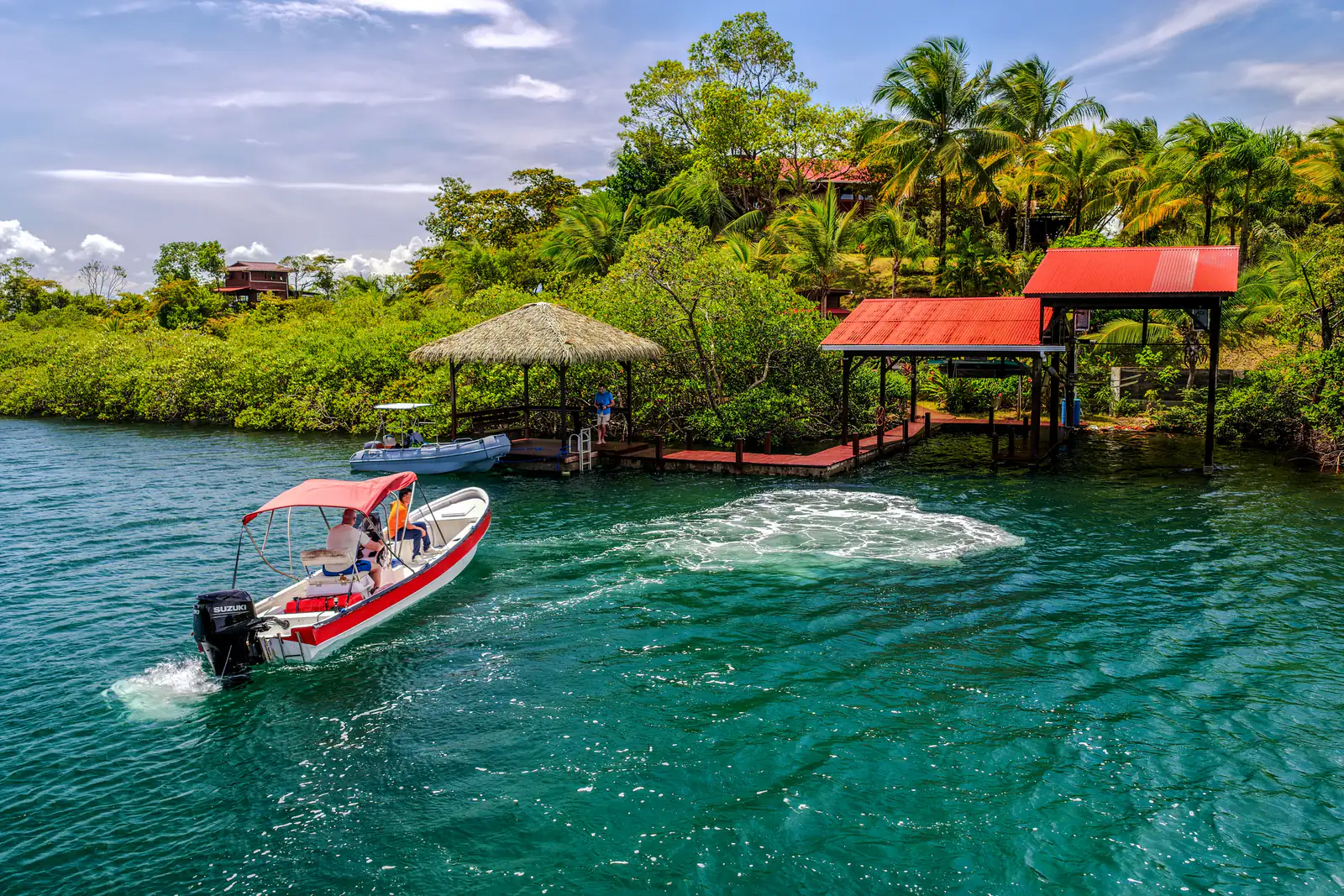
When you stay with us, the easiest spot of all is right off our own dock, where coral grows under the planks and the fish treat it like their neighborhood. Kids can practice with the mask a few steps from the house, figure out how to clear a snorkel without anyone watching, and then graduate to the boat trip when they are ready. Grandparents who would rather float than swim tend to love it too.
How to snorkel kindly
Coral is alive, and one kick from a fin can break something that took years to grow. The trick is to float flat on the surface with your fins up and away from the reef, and when you need a rest, roll onto your back or hold on to the boat ladder instead of standing on the coral. If you are not a strong swimmer, a snorkel vest lets you relax and look around without working so hard, and nobody on the boat will think twice about it.
A rash guard or a long-sleeve swim shirt saves you a lot of sunscreen and saves the reef from it too. When you do use sunscreen, a mineral one put on well before you get in the water is kinder to everything living down there. Leave the shells, starfish and sea urchins where they are, and give any animal you meet plenty of room. The fish are much more curious when you are calm and still, and you will see more by floating than by chasing.
Our favorite moment of any snorkel day is when someone who was nervous in the morning climbs back up the ladder grinning and asks if they can go one more time.
Tim and Liz
Trying scuba
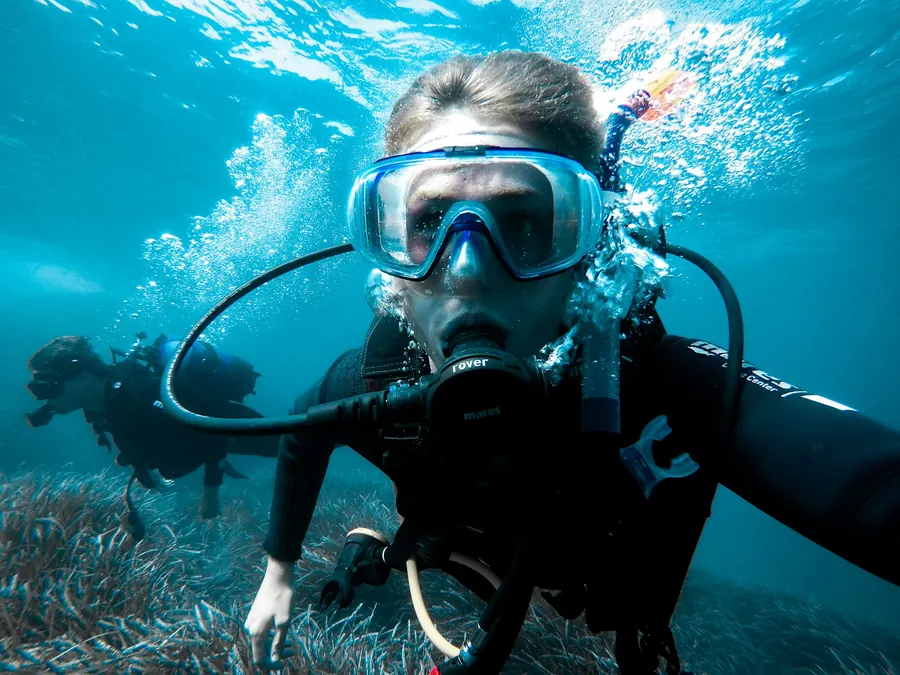
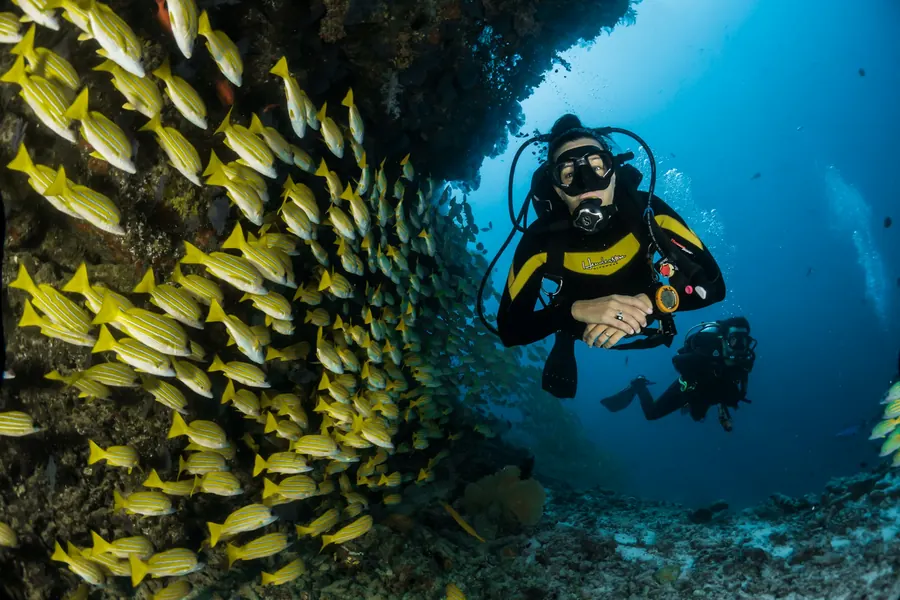
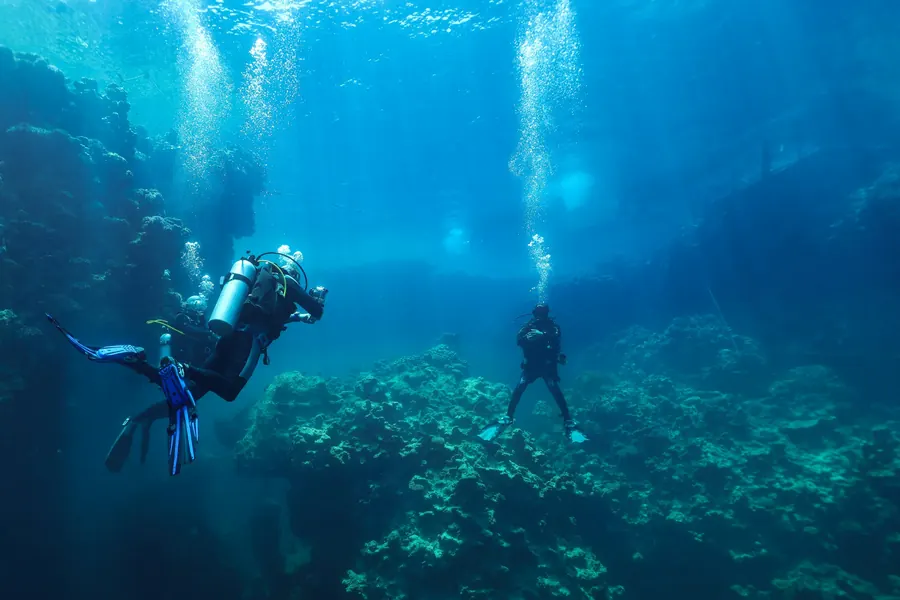
If snorkeling hooks you, Bocas is a friendly place to try diving too. Local dive shops take first-timers on guided introductory dives and run full certification courses, and certified divers can join fun dives along the reefs and walls. We set up dive days with a local guide as part of your stay, so all you have to do is show up at the dock.
Planning a snorkel day
A good snorkel day starts after breakfast, while the water is calm and glassy. Your captain sets the order around the weather. Maybe that is Hospital Point first, then Cayo Coral and lunch over the water, then a long, lazy afternoon on the sand at Zapatilla, and you are back at the dock in time to rinse off before dinner. This is a rainforest, so showers come and go any time of year, and a gray morning can still mean lovely water. Let your captain make the call, and bring a dry bag for your phone.
If you are planning the whole trip, our things to do in Bocas del Toro guide has the wider list, the itinerary guide turns it into day-by-day plans, and the wildlife guide covers the dolphins and sloths you may spot on the ride. Bringing a group? A snorkel morning makes a beautiful free afternoon on a retreat schedule, and it is the kind of outing people still talk about at dinner.
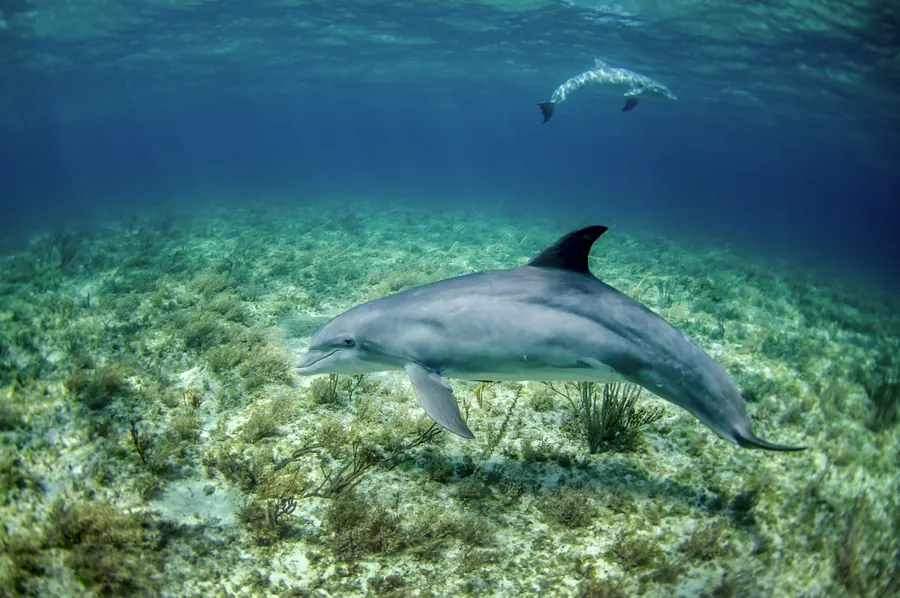 Wildlife in Bocas del ToroSloths in the mangroves, dolphins in the bay and tiny red frogs on Bastimentos.
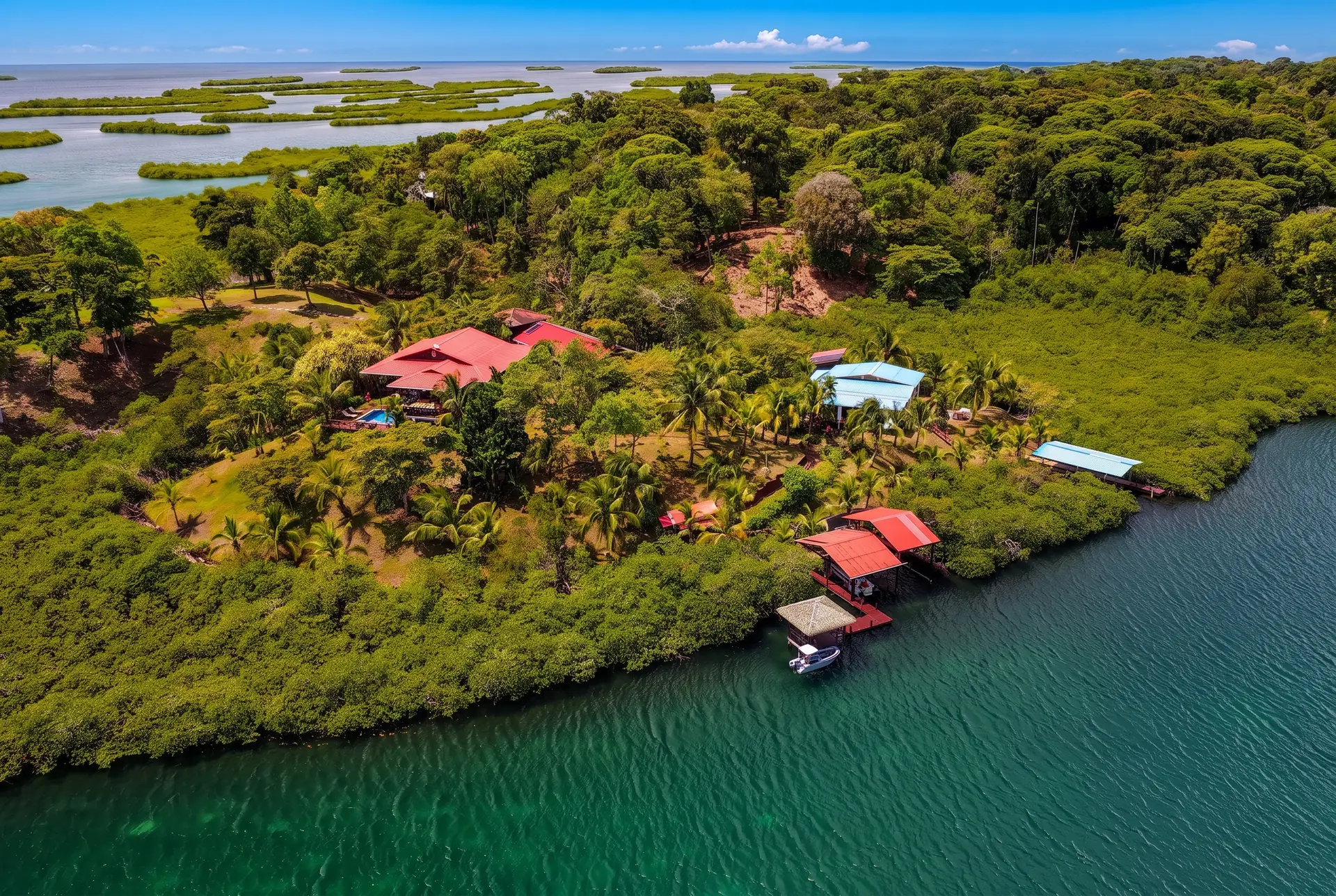
Snorkel from your own dock
Practice off the dock in the morning, then let a captain who knows these reefs take you out to Hospital Point, Cayo Coral and Zapatilla. The gear is waiting on the island for you.
Book the islandAsk us a questionFrequently asked questions
- Where is the best snorkeling in Bocas del Toro?
- Hospital Point on Isla Solarte, the reef at Cayo Coral and the Zapatilla cays in the marine park are the three favorites. Hospital Point has a drop-off covered in sea fans, Cayo Coral is calm and sheltered, and Zapatilla pairs the reef with a white-sand beach.
- Can beginners and kids snorkel in Bocas del Toro?
- Yes. Playa Estrella and Polo Beach have shallow, calm water where you can stand up, and Cayo Coral is sheltered with a reef about 3 to 4 meters down. Our own dock is a gentle place to practice before a boat trip.
- Can you snorkel from the beach in Bocas del Toro?
- At a few places. You can walk in from the sand at Cayo Zapatilla, Playa Estrella and Polo Beach. Hospital Point and Cayo Coral are reached by boat, and you slip in from the side of the boat.
- Do I need to bring my own snorkel gear?
- Not when you stay with us. We keep masks, snorkels and fins on the island. If you have a mask that fits your face perfectly, it is worth packing.
- Is there a fee to visit Cayo Zapatilla?
- Yes. The Zapatilla cays are inside the Isla Bastimentos National Marine Park, which charges an entrance fee per person. Your captain will know the current amount.
Written by Tim and Liz
We run Dia Bonito Resorts, a private island just off Isla Solarte in Bocas del Toro. These guides come from the trips we plan for our own guests. If something here has changed, tell us and we will fix it.